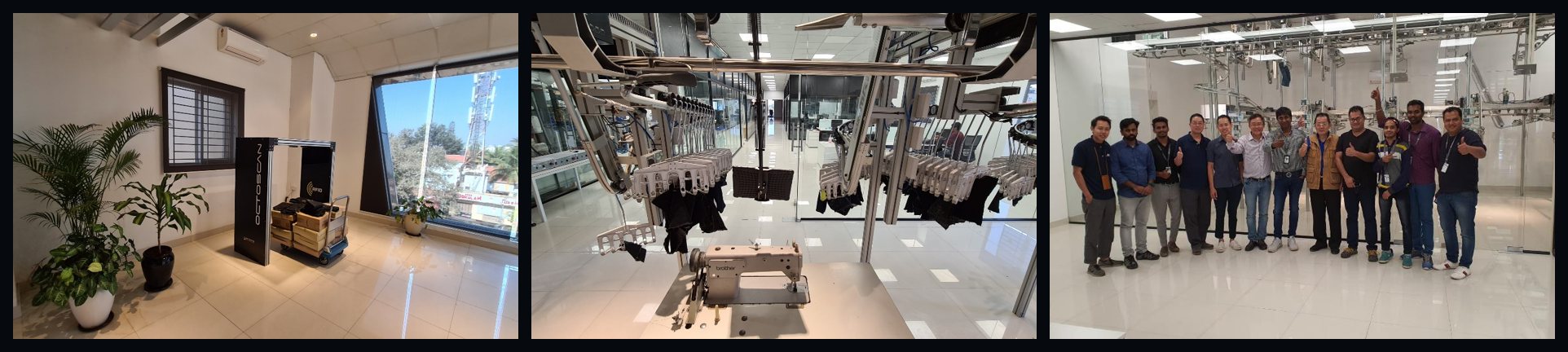
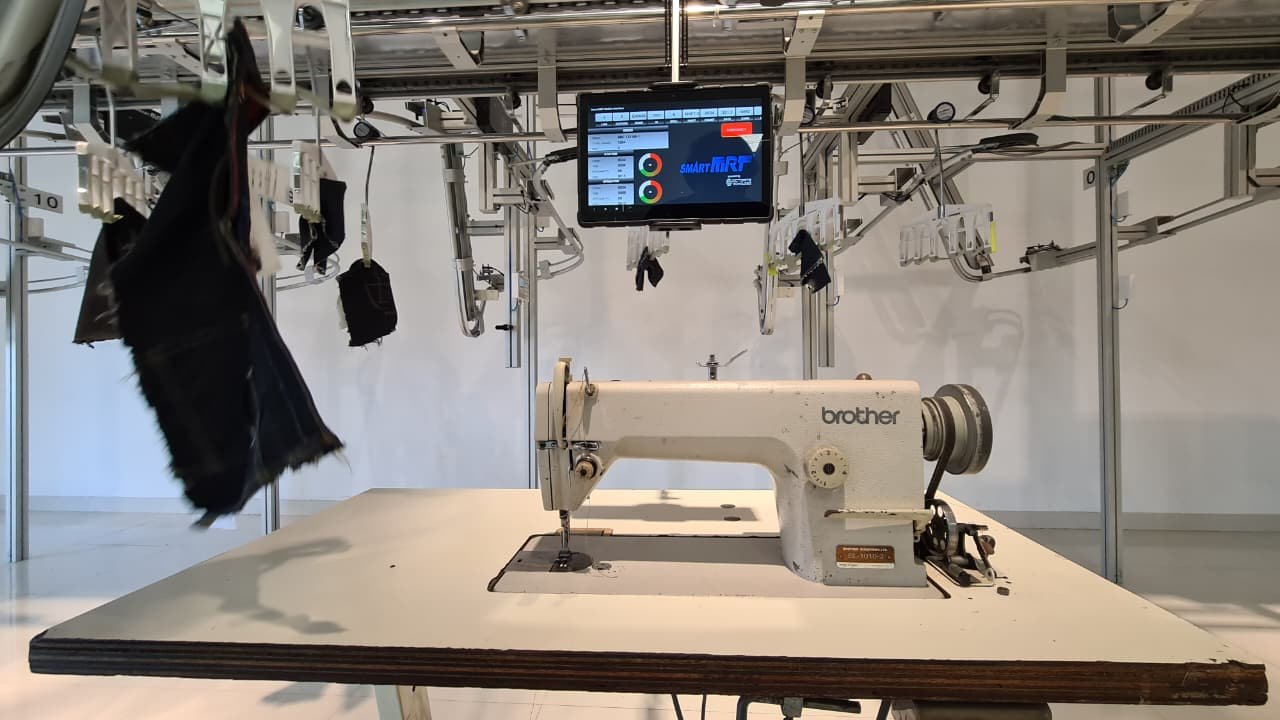
Adoption happened at the table, not in the office
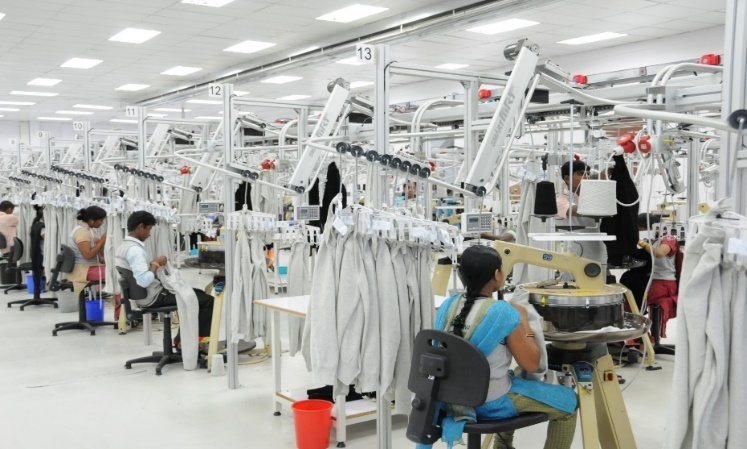
The usual way to digitise an established floor is to run a second system alongside the first: operators work as they always did, and somebody enters the numbers afterwards. That system is always a day behind, and everyone knows it.
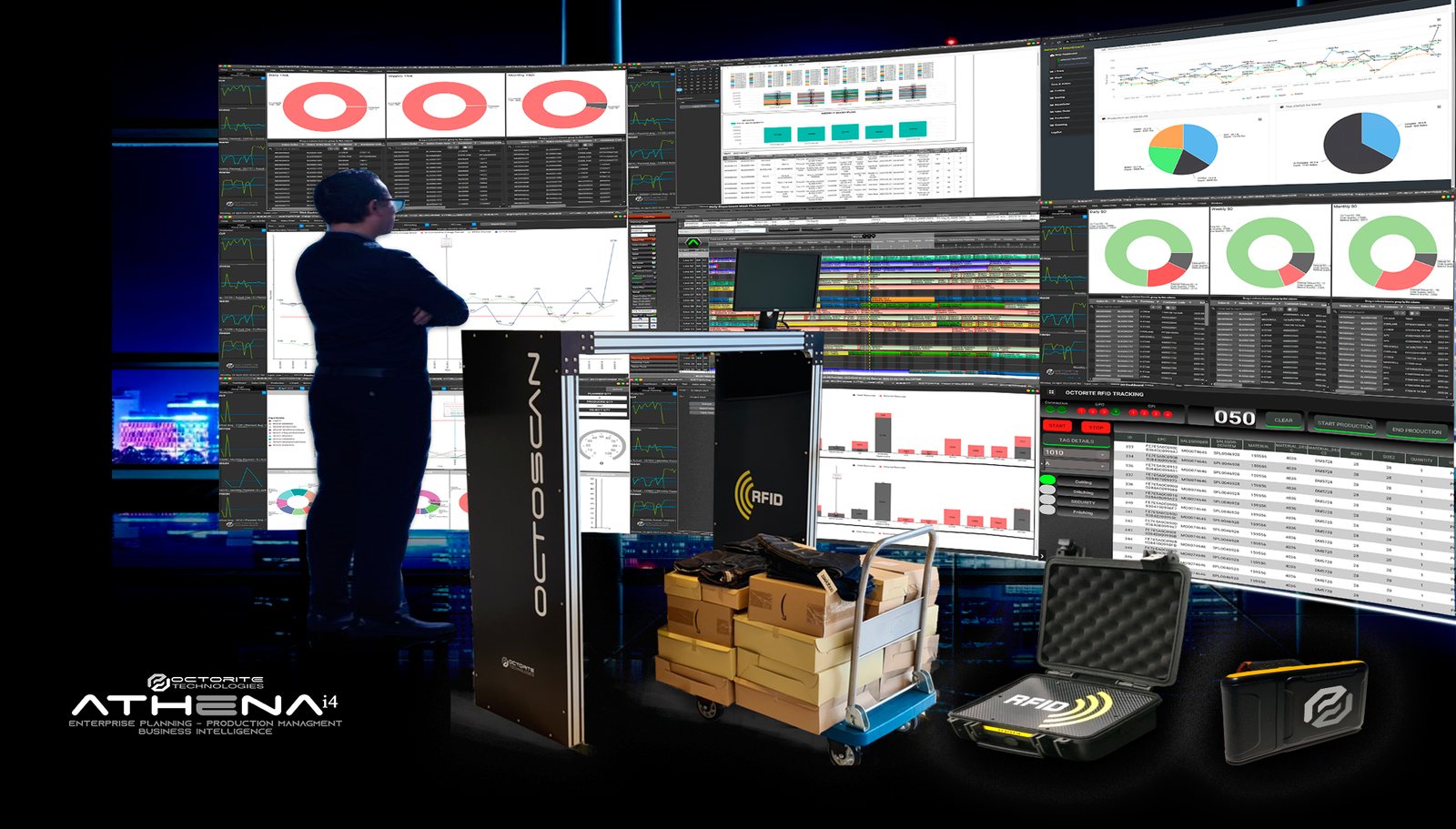
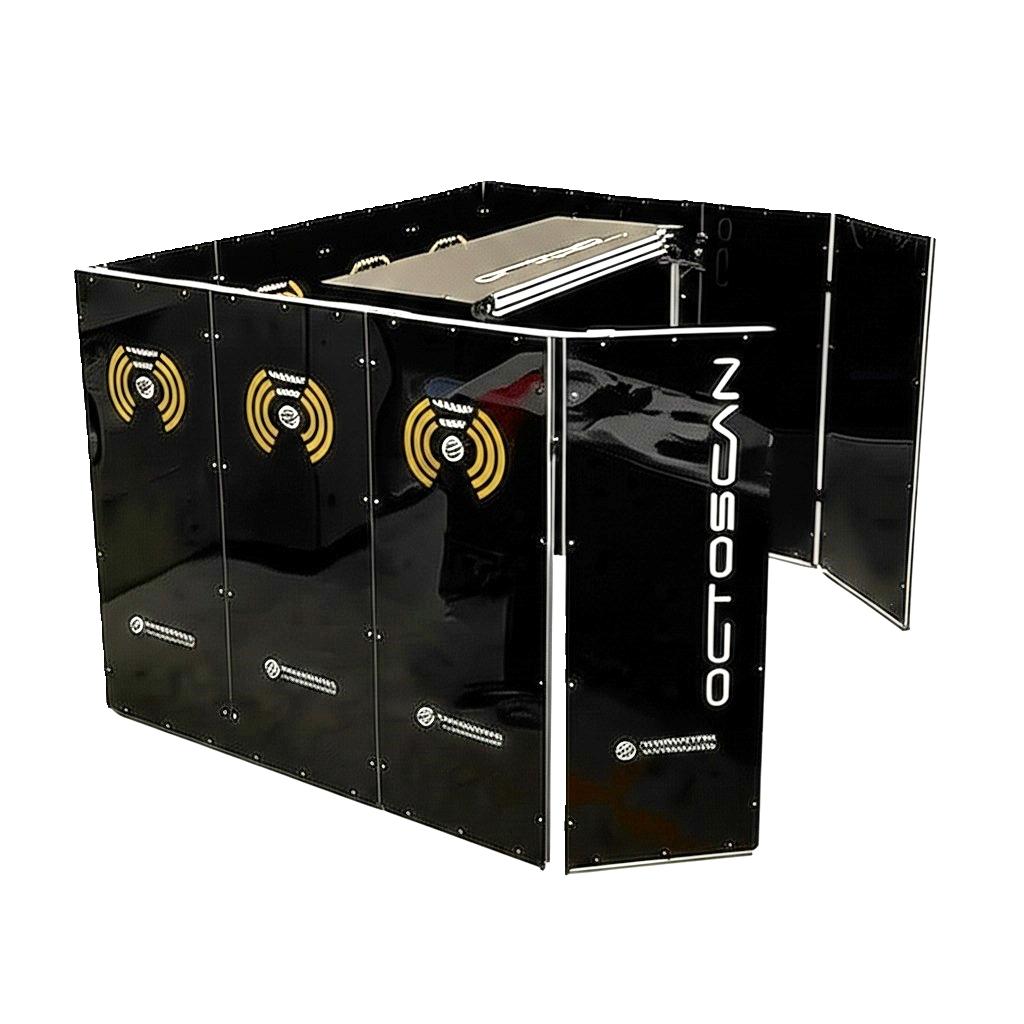
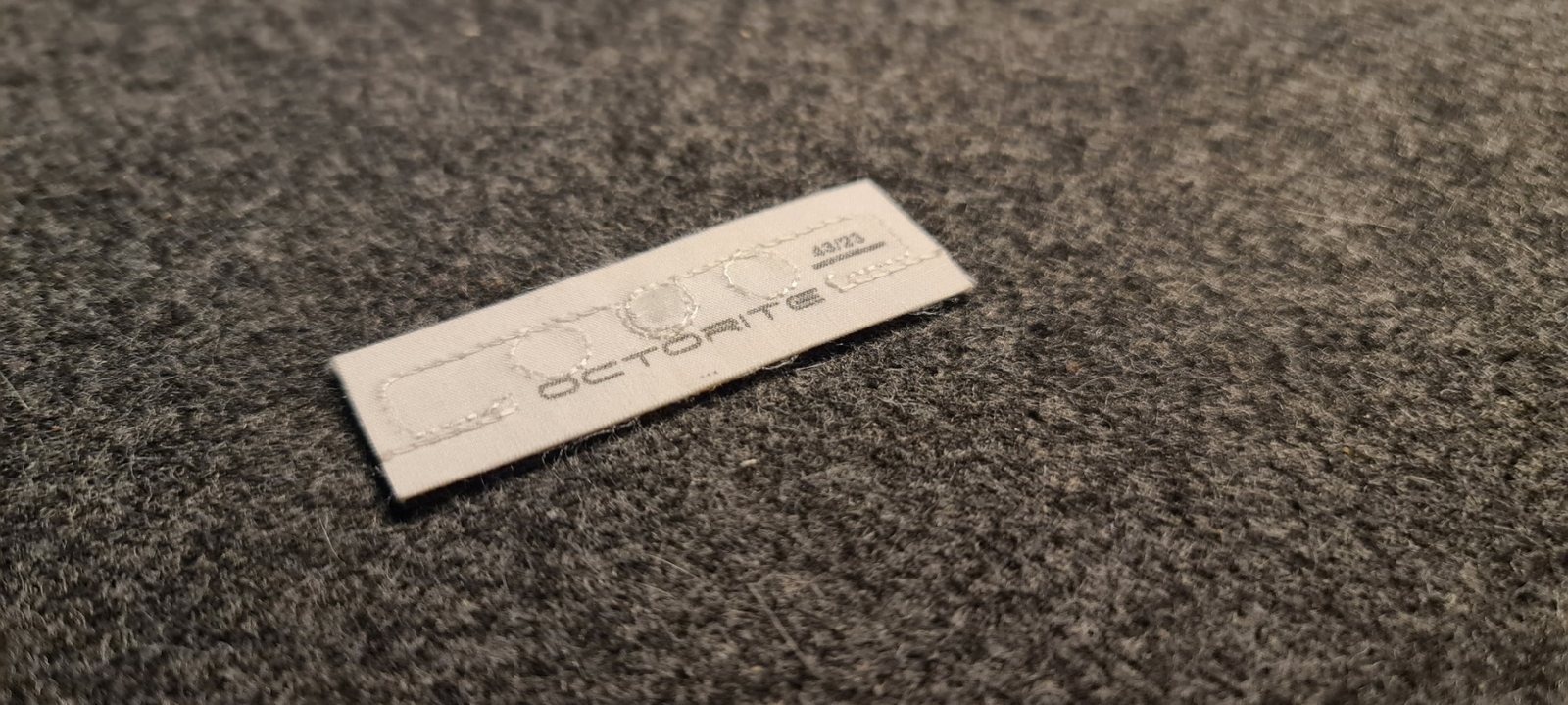
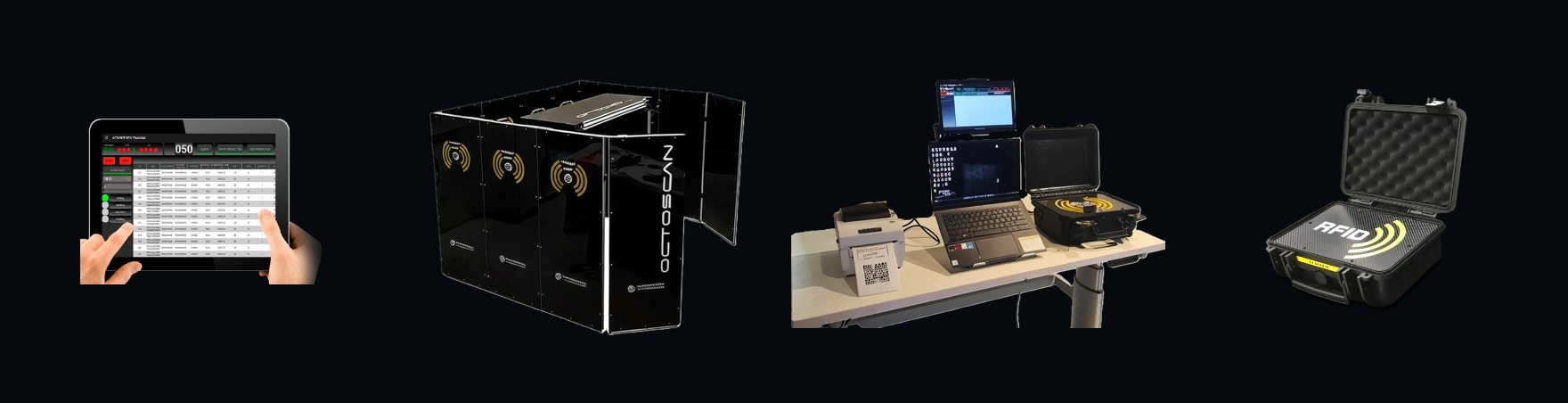
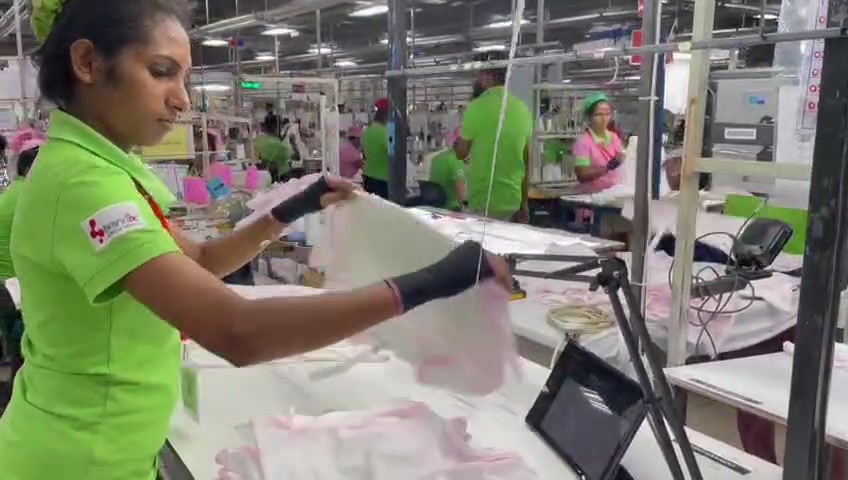
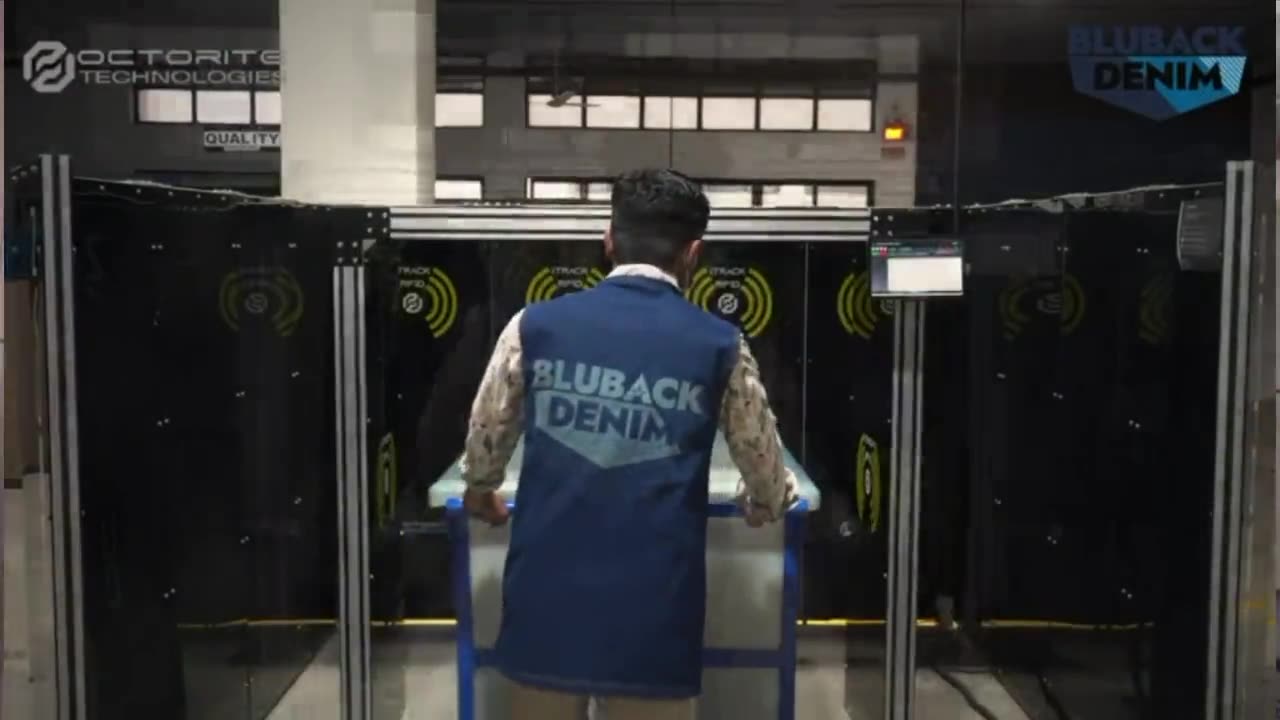
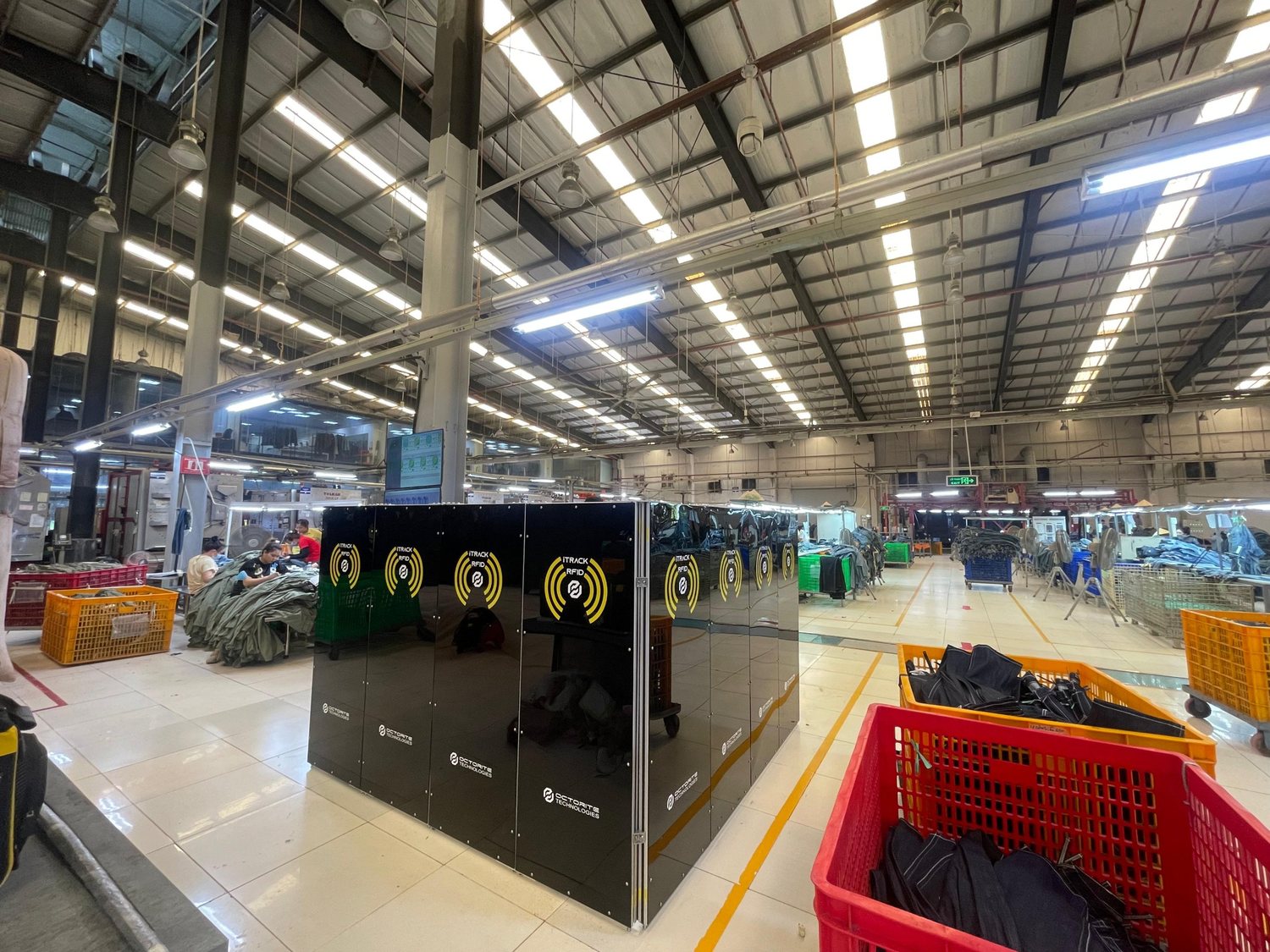
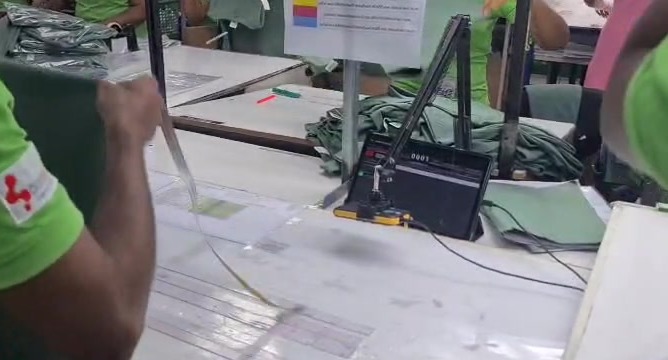
Athena went in the other way round. The reader was put where the operator's hands already go. Nothing was added to the job: the piece is picked up, inspected and set down, and the station reads its tag while that happens. No typing, no counting, no separate step to forget at the end of a shift.
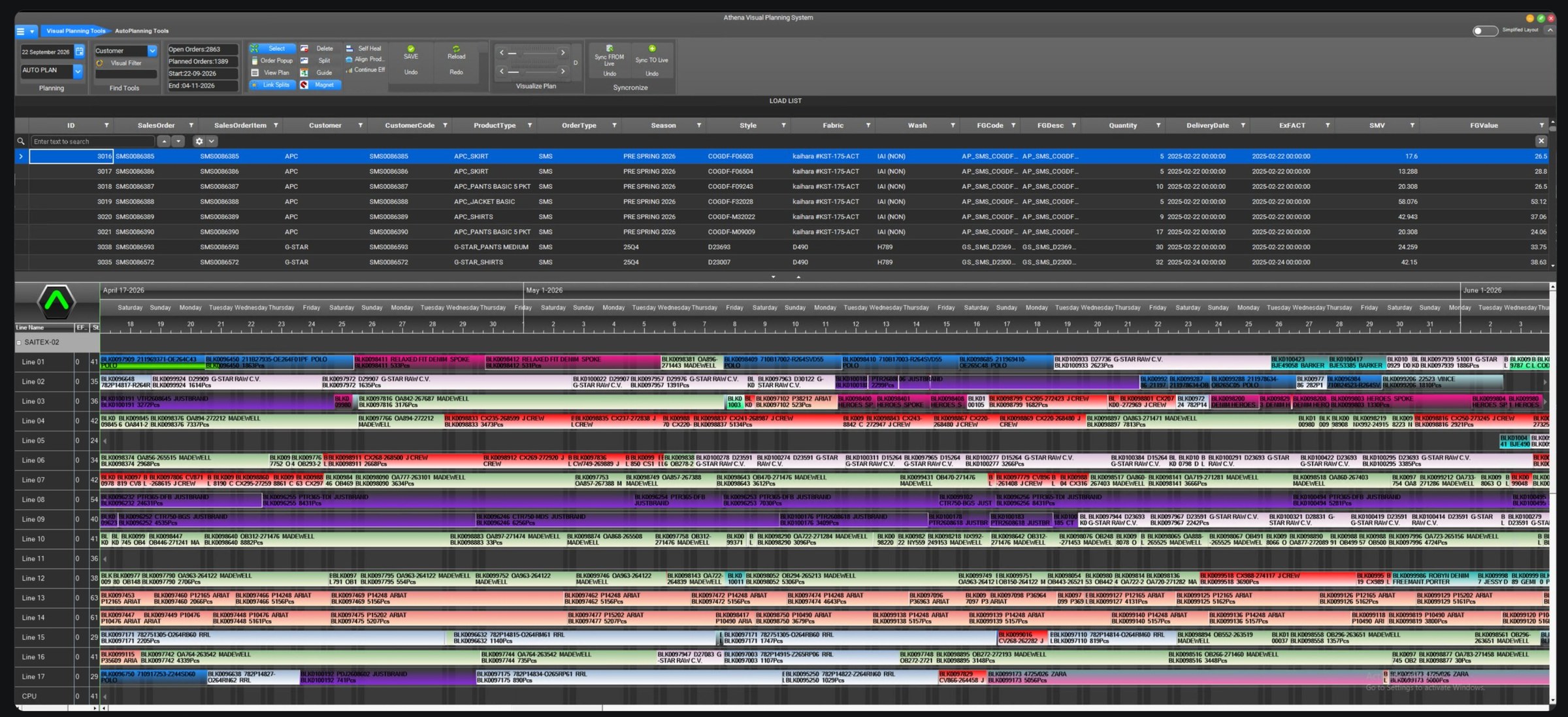
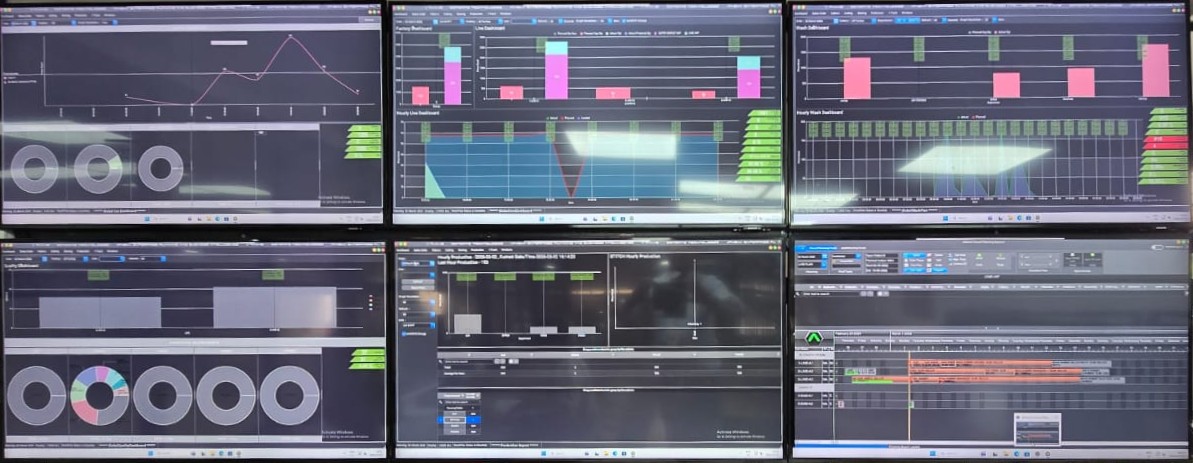
What changed is what the rest of the factory can see. The count at that table is in the plan within seconds of the garment leaving it, so the hourly line output, the WIP ahead of the wash, and the order's progress against its ship date are all the same number rather than three reconciled estimates. The planner stops chasing numbers and starts working on the plan.
That is the whole proposition for a mature manufacturer. The expertise on the floor is the asset, and it stays exactly where it was. What the system removes is the delay between doing the work and knowing it was done.